People reached
38,000 adolescents (aged 10–19)
Ongoing programme
"Peer Navigator" training, safe-space adolescent corners at clinics, life skills curriculum delivery, and STI/HIV testing services
Prime implementing partner for adolescent-responsive health programming
"Peer Navigator" training, safe-space adolescent corners at clinics, life skills curriculum delivery, and STI/HIV testing services
38,000 adolescents (aged 10–19)
24 health facilities, 40 out-of-school adolescent clubs
Improved ART adherence among adolescents living with HIV from 68% to 91% in Northern Uganda intervention sites
Increased adolescent viral load suppression from 61.2% to 88.5%
120 trained adolescent peer navigators actively facilitating clinic peer groups
3,400 pregnant/parenting adolescents enrolled in specialized support clubs
1,820 high-risk adolescent girls and young women (AGYW) initiated on PrEP
Discuss this programme, community priorities or opportunities for collaboration.
The sections below retain the programme’s activity explanations, monitoring guidance and planning considerations. Suggested measures and design guidance are distinct from the archive-reported activities and results above.
Support adolescent wellbeing, access to appropriate services and participation in education and employment pathways.
Community participation, inclusion and reliable evidence would guide programme design and review.
Activity framework
Service access, referral completion, school participation, life-skills application and adolescent feedback.
Final indicator definitions and targets would follow programme design and baseline assessment.
Planning would establish appropriate expertise, service-provider agreements, safeguarding and data protection. Research and clinical activities would require relevant approvals and qualified providers.
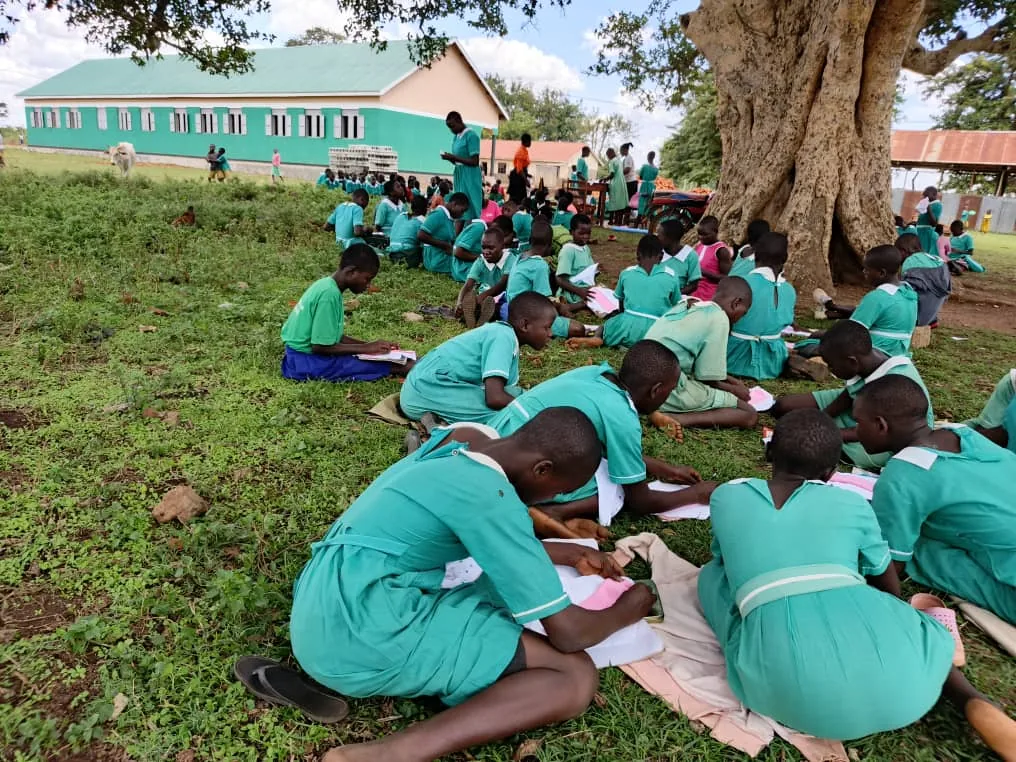
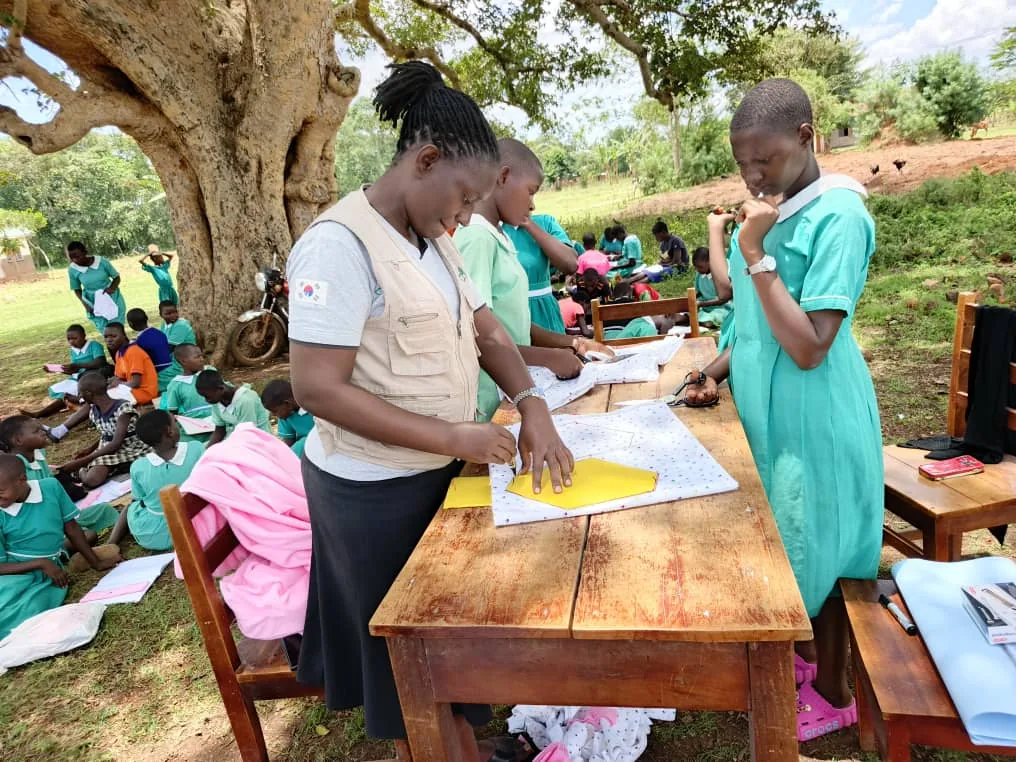
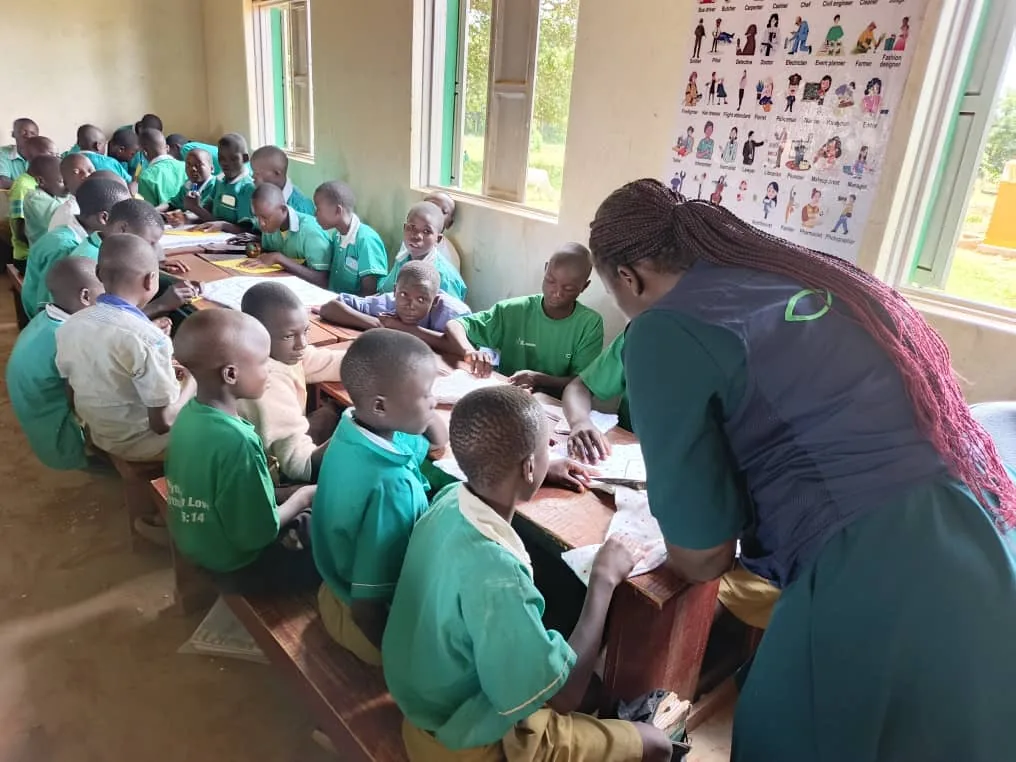
Prepare a programme enquiryThese archive photos show activities related to this programme area.